



INNOVATIV
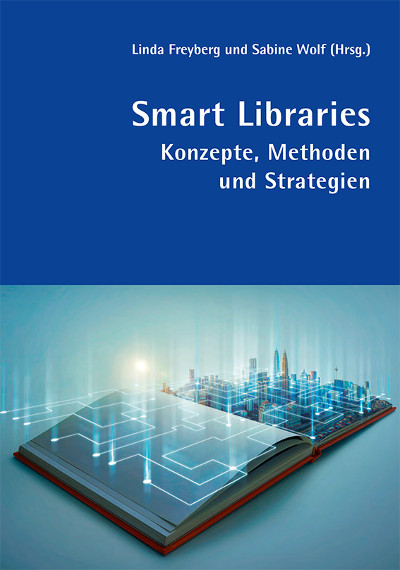
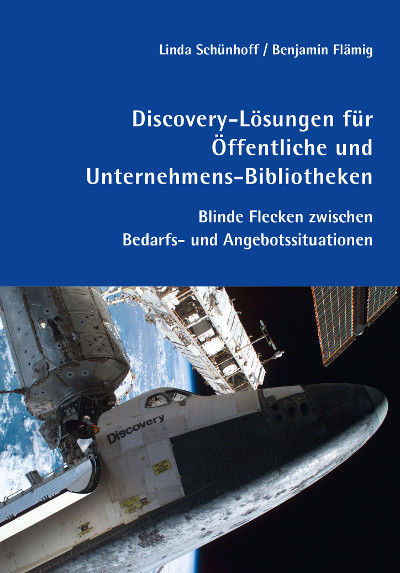
Band 79: Janet Wagner Band 78: Philip Franklin Orr Band 77: Carina Dony Band 76:
Linda Freyberg
Sabine Wolf (Hrsg.)
Band 75: Denise Rudolph Band 74: Sophia Paplowski Band 73: Carmen Krause Band 72:
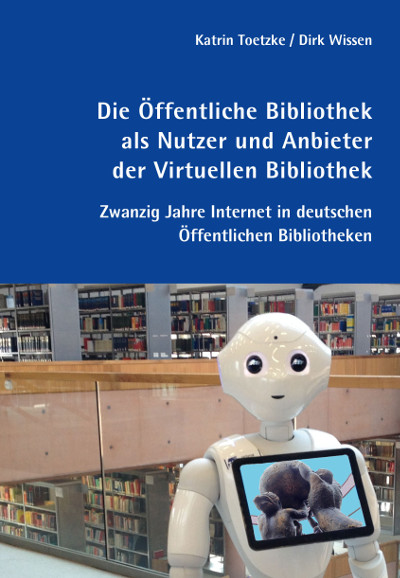
Katrin Toetzke
Dirk Wissen
Band 71: Rahel Zoller Band 70: Sabrina Lorenz Band 69: Jennifer Hale Band 68:
Linda Schünhoff
Benjamin Flämig
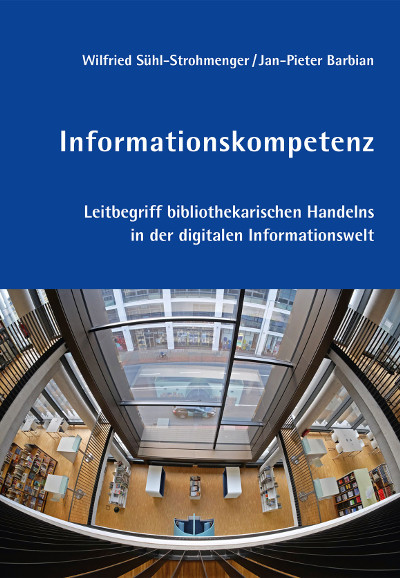
Band 67:
Wilfried Sühl-Strohmenger
Jan-Pieter Barbian
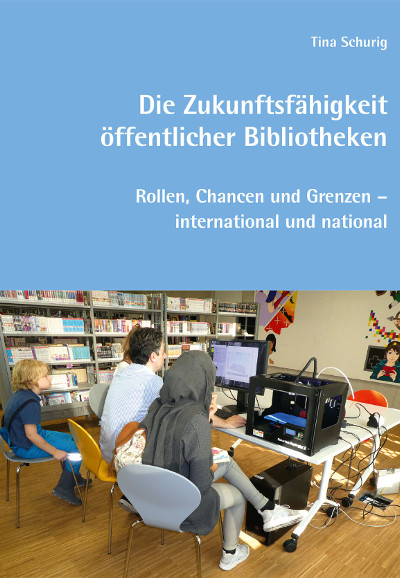
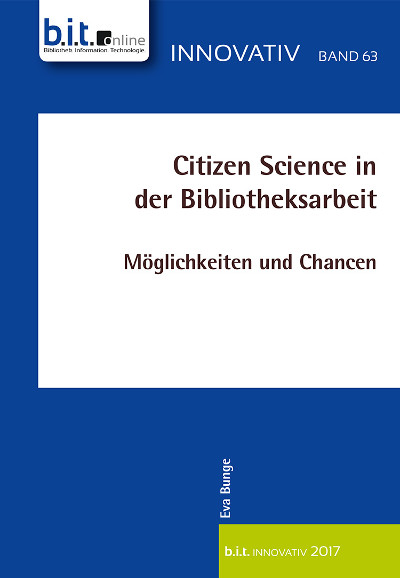
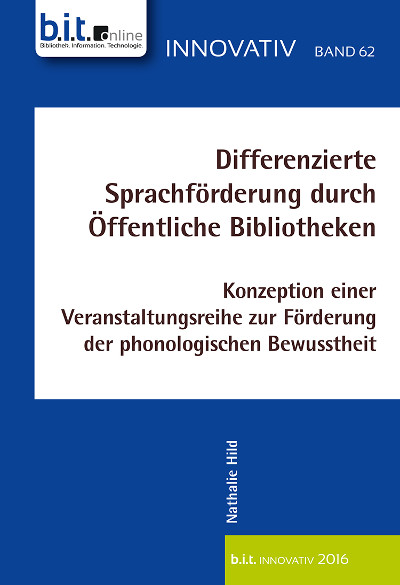
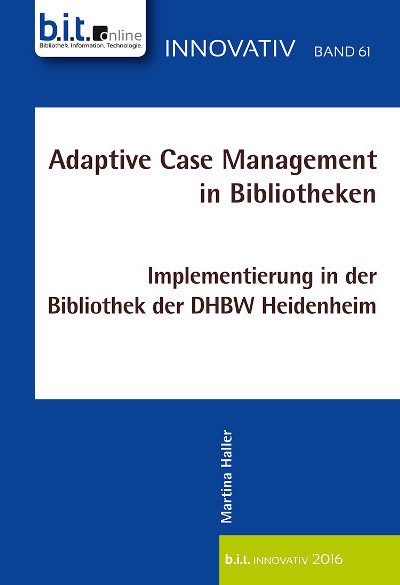
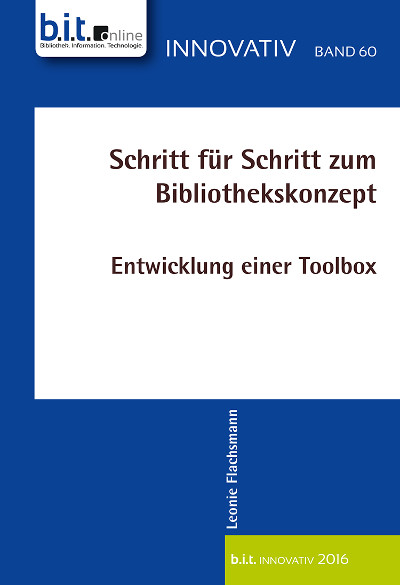
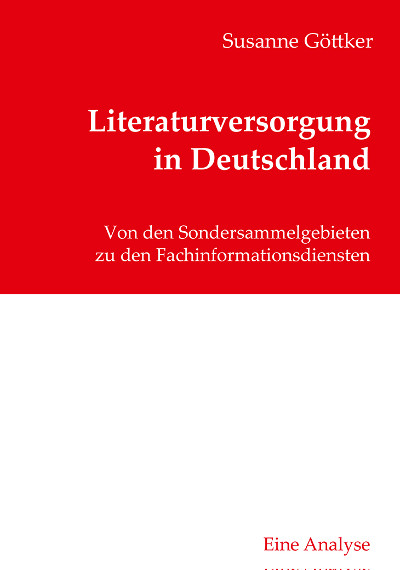
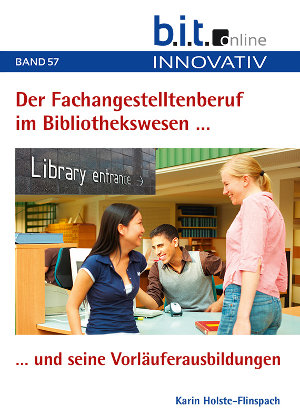
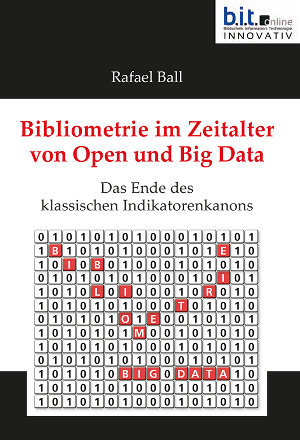
Band 66: Tina Schurig Band 65: Christine Niehoff Band 64: Eva May Band 63: Eva Bunge Band 62: Nathalie Hild Band 61: Martina Haller Band 60: Leonie Flachsmann Band 59: Susanne Göttker Band 58: Georg Ruppelt Band 57: Karin Holste-Flinspach Band 56: Rafael Ball Band 55: Bettina Schröder Band 54: Florian Hagen Band 53: Anthea Zöller Band 52: Ursula Georgy Band 51: Ursula Jaksch Band 50: Hermann Rösch (Hrsg) Band 49: Lisa Maria Geisler Band 48: Raphaela Schneider Band 47: Eike Kleiner
Bestellen Sie jetzt online!
27. März 2026
  WEITERE NEWS
Aktuelles aus
L
ibrary
Essentials

In der Ausgabe 02/2026 (März 2026) lesen Sie u.a.:

  • Seniorinnen und Senioren entdecken soziale Netzwerke – Chancen und Aufgaben für Bibliotheken
  • Chatbots im Auskunftsdienst wissenschaftlicher Bibliotheken
  • Bibliotheken unter Druck – Was der Hamburger Sparkurs über den Zustand
    des Wissenschaftssystems verrät
  • Die „Big Three“ der Wissenschaftsinformation – Web of Science, Scopus und OpenAlex im systematischen Vergleich
  • Der Strukturwandel im italienischen Buchmarkt – Lehren für Europa,
    die Leseförderung, den Buchhandel
    und Künstliche Intelligenz
  • GenAI in der Hochschulbildung –
    Wer forscht weltweit zu ChatGPT und Co.?
  • Jenseits des Akronyms –
    Wie wissenschaftliche Bibliotheken DEI
    unter politischem Druck neu verankern
  • Kann Bibliotherapie helfen, die Krisen
    der Gegenwart zu bewältigen?
  • Web-Barrierefreiheit pragmatisch umsetzen – Kleine Schritte mit großer Wirkung
  • Wenn die KI die Nachrichten auswählt, verändert sich die öffentliche Wahrnehmung
  • Zwischen Plattformökonomie und kulturellem Gedächtnis – Hat das physische Medium noch eine Zukunft?
u.v.m.
  fachbuchjournal
2009 bis 2023

Sense about Science and Taylor & Francis launch
research integrity toolkit for early career researchers

New guide supports good research practice and strengthens trust in science

Sense about Science and Taylor & Francis have announced the publication of a comprehensive research integrity toolkit, created with and for early career researchers (ECRs). The guide addresses common questions and provides practical advice to help today’s researchers avoid integrity pitfalls.

At a time when the trustworthiness of information is a question in all parts of society, good research practice faces additional challenges from AI tools and paper mills, as well as the impact of precarious employment and limited funding on the pressure to publish. ECRs can feel these pressures more acutely, making it essential they have confident knowledge of the principles of research integrity.

The toolkit is authored by Sense about Science and Taylor & Francis with input from the UK Research Integrity Office (UKRIO), guided by honest questions and experiences shared by early career researchers during co-creation workshops. The result is a comprehensive resource which meets the real needs of researchers at each stage of the research process, from initial design through research conduct and manuscript development to peer review and dissemination.

Tracey Brown, Director of Sense about Science, said: “Public trust in science has never been more important, or challenging. This toolkit explores the research integrity issues that early career researchers encounter, the steps to take and the principles that will help them evaluate new situations.”

Jason Hu, Director of Research Integrity Engagement at Taylor & Francis, said: “When you are starting out in your research career there is so much to learn about the requirements and expectations of ethical research practice that it can be quite overwhelming. We were therefore delighted to help demystify and simplify these complex issues through this new toolkit.”

Hu continued, “We hope the publication ethics section will be especially valuable, as it covers many of the questions we regularly receive, such as determining authorship credit, understanding what constitutes plagiarism, and knowing what happens if integrity concerns are raised about a published article. Although it has been designed for ECRs, I’m sure the toolkit will be a useful refresher for researchers at all career stages!”

The new resource can be found on the Taylor & Francis website: Research integrity: A toolkit for early career researchers and is available to download as a PDF from the Sense about Science website.