












INNOVATIV
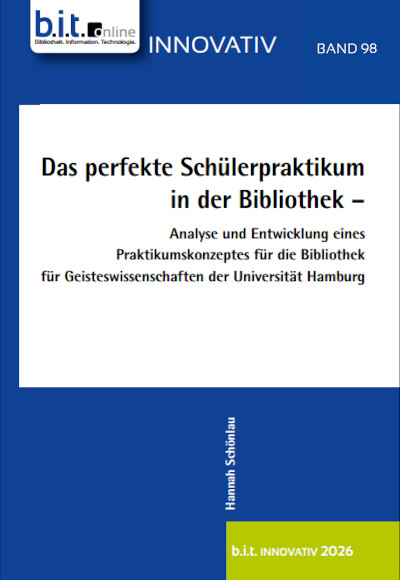
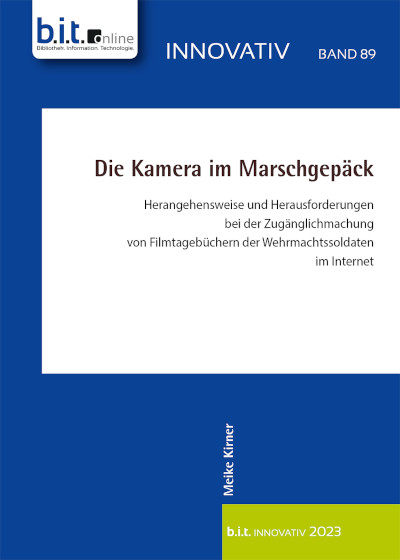
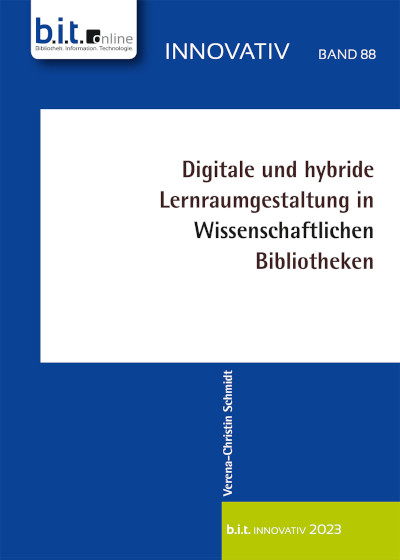
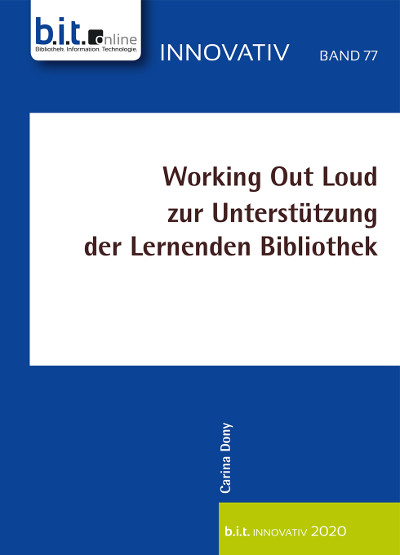
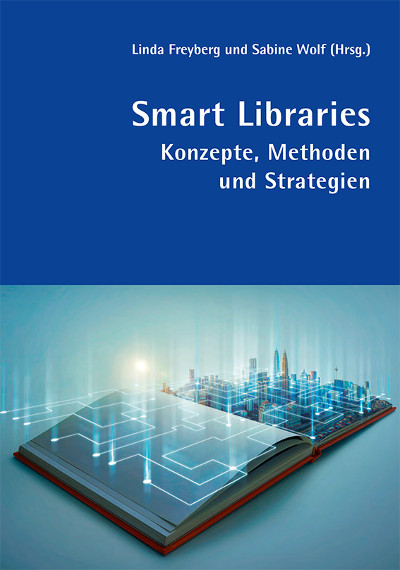
Band 79: Janet Wagner Band 78: Philip Franklin Orr Band 77: Carina Dony Band 76:
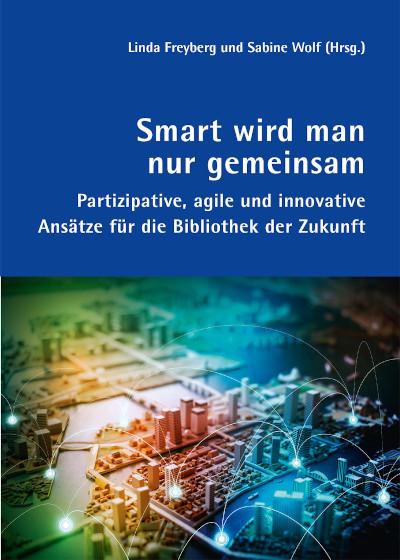
Linda Freyberg
Sabine Wolf (Hrsg.)
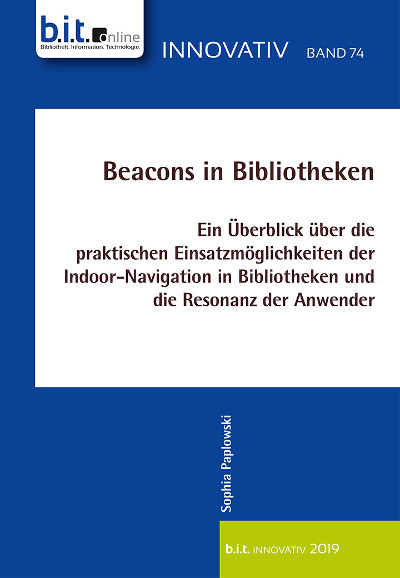
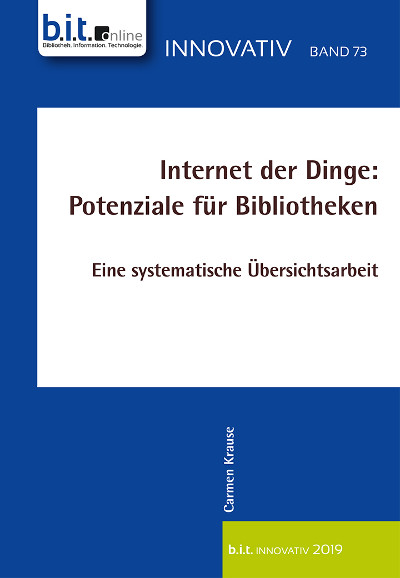
Band 75: Denise Rudolph Band 74: Sophia Paplowski Band 73: Carmen Krause Band 72:
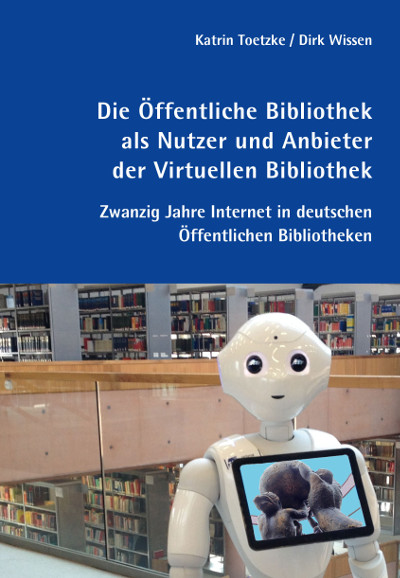
Katrin Toetzke
Dirk Wissen
Band 71: Rahel Zoller Band 70: Sabrina Lorenz Band 69: Jennifer Hale Band 68:
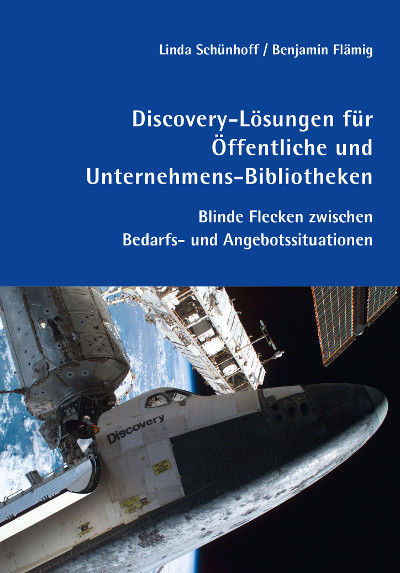
Linda Schünhoff
Benjamin Flämig
Band 67:
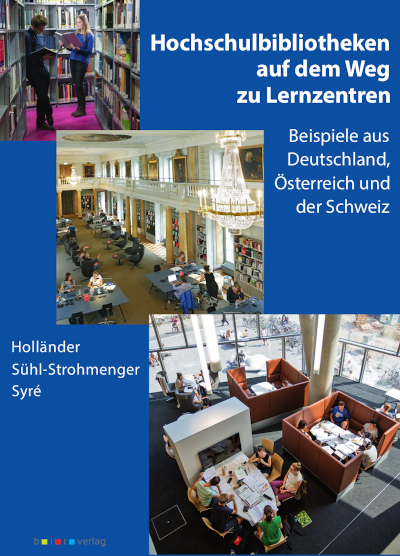
Wilfried Sühl-Strohmenger
Jan-Pieter Barbian
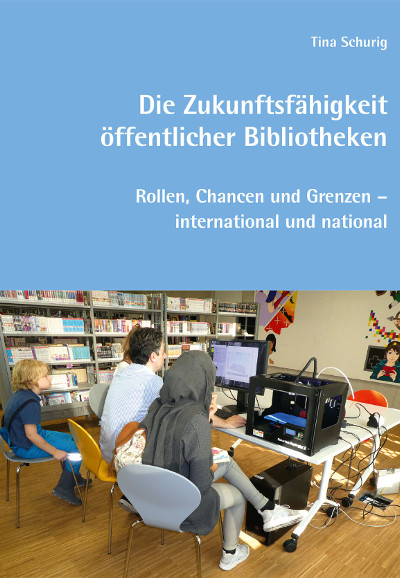
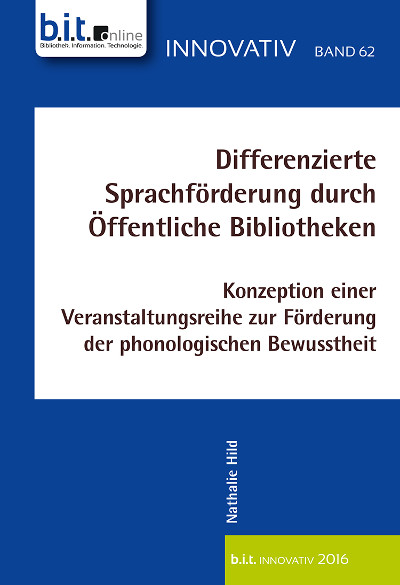
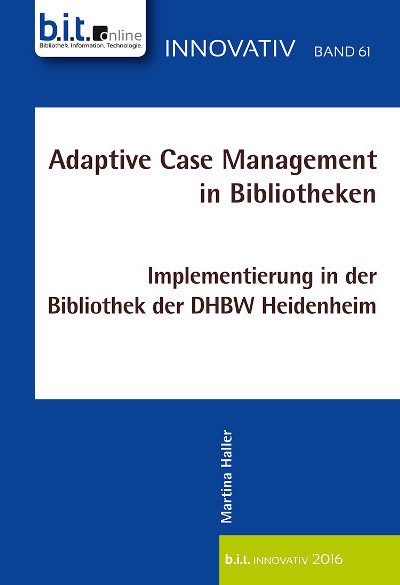
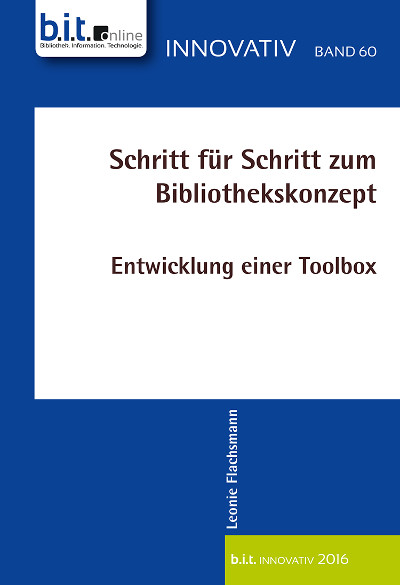
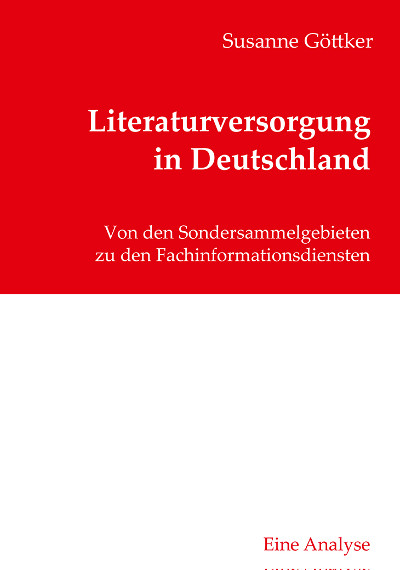
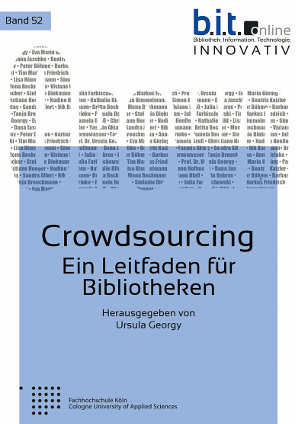
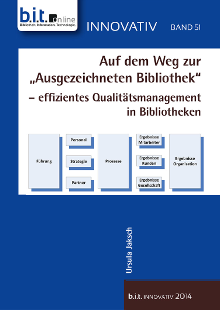
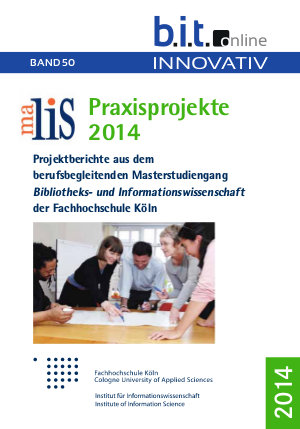
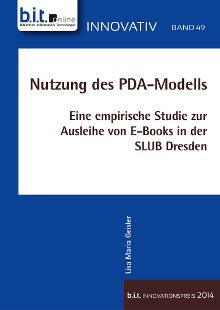
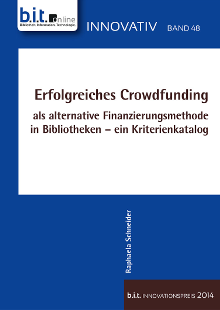
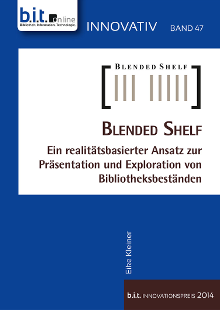
Band 66: Tina Schurig Band 65: Christine Niehoff Band 64: Eva May Band 63: Eva Bunge Band 62: Nathalie Hild Band 61: Martina Haller Band 60: Leonie Flachsmann Band 59: Susanne Göttker Band 58: Georg Ruppelt Band 57: Karin Holste-Flinspach Band 56: Rafael Ball Band 55: Bettina Schröder Band 54: Florian Hagen Band 53: Anthea Zöller Band 52: Ursula Georgy Band 51: Ursula Jaksch Band 50: Hermann Rösch (Hrsg) Band 49: Lisa Maria Geisler Band 48: Raphaela Schneider Band 47: Eike Kleiner
Bestellen Sie jetzt online!
18. März 2026
  WEITERE NEWS
Aktuelles aus
L
ibrary
Essentials

In der Ausgabe 02/2026 (März 2026) lesen Sie u.a.:

  • Seniorinnen und Senioren entdecken soziale Netzwerke – Chancen und Aufgaben für Bibliotheken
  • Chatbots im Auskunftsdienst wissenschaftlicher Bibliotheken
  • Bibliotheken unter Druck – Was der Hamburger Sparkurs über den Zustand
    des Wissenschaftssystems verrät
  • Die „Big Three“ der Wissenschaftsinformation – Web of Science, Scopus und OpenAlex im systematischen Vergleich
  • Der Strukturwandel im italienischen Buchmarkt – Lehren für Europa,
    die Leseförderung, den Buchhandel
    und Künstliche Intelligenz
  • GenAI in der Hochschulbildung –
    Wer forscht weltweit zu ChatGPT und Co.?
  • Jenseits des Akronyms –
    Wie wissenschaftliche Bibliotheken DEI
    unter politischem Druck neu verankern
  • Kann Bibliotherapie helfen, die Krisen
    der Gegenwart zu bewältigen?
  • Web-Barrierefreiheit pragmatisch umsetzen – Kleine Schritte mit großer Wirkung
  • Wenn die KI die Nachrichten auswählt, verändert sich die öffentliche Wahrnehmung
  • Zwischen Plattformökonomie und kulturellem Gedächtnis – Hat das physische Medium noch eine Zukunft?
u.v.m.
  fachbuchjournal
2009 bis 2023

Research confirms 50% greater impact of open access papers, despite delayed availability

1science and her sister company Science-Metrix are presenting the first results of an ongoing large-scale study on open access. The results reveal that open access papers have a 50% greater citation advantage than papers published in traditional subscription-based journals.  

The new research also shows that the widely held belief that open access papers have a greater impact at least in part due to them being available earlier than their commercially published versions is not consistent with the large-scale data collected by 1science. In fact, based on a time series comprising more than 17.4 million papers published between 2000 and 2015, it is clear that open access still suffers from the effect of embargoes enforced by traditional publishers who maintain that they require that delay to keep the subscription model alive.  

This evidence suggests that traditional scholarly journals that restrict access by enforcing subscription paywalls and embargoes will lose their relevance for researchers and governments. Researchers want their papers to be cited as it demonstrates the relevance of their research, and governments want papers to be as widely available as possible as a large part of scholarly and scientific research is financed through public funds.  

Read the oaNumbr #1 report online: http://www.1science.com/oanumbr.html
Download the oaNumbr #1 report: http://1science.com/PDF/oaNumber_OACA_3million_paper.pdf