
INNOVATIV
Band 79: Janet Wagner Band 78: Philip Franklin Orr Band 77: Carina Dony Band 76:
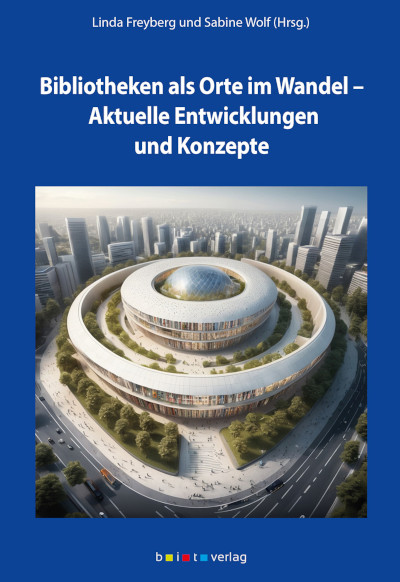
Linda Freyberg
Sabine Wolf (Hrsg.)
Band 75: Denise Rudolph Band 74: Sophia Paplowski Band 73: Carmen Krause Band 72:
Katrin Toetzke
Dirk Wissen
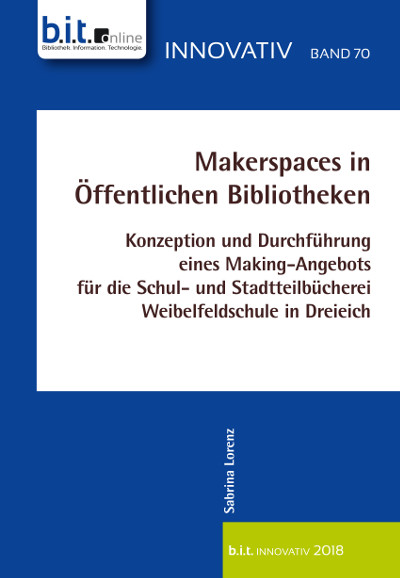
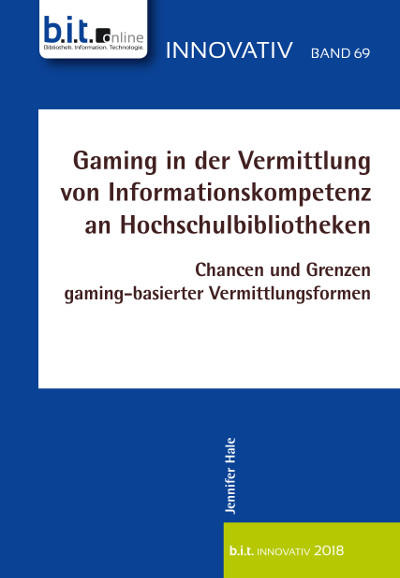
Band 71: Rahel Zoller Band 70: Sabrina Lorenz Band 69: Jennifer Hale Band 68:
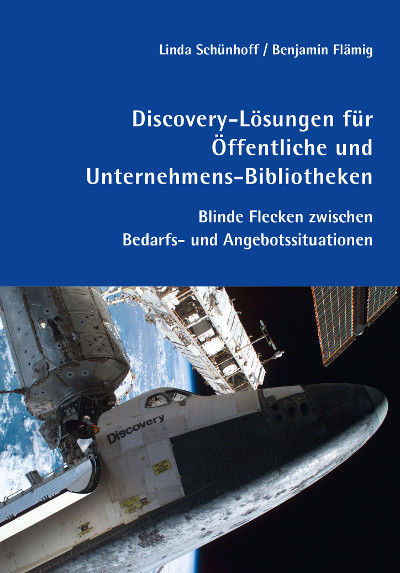
Linda Schünhoff
Benjamin Flämig
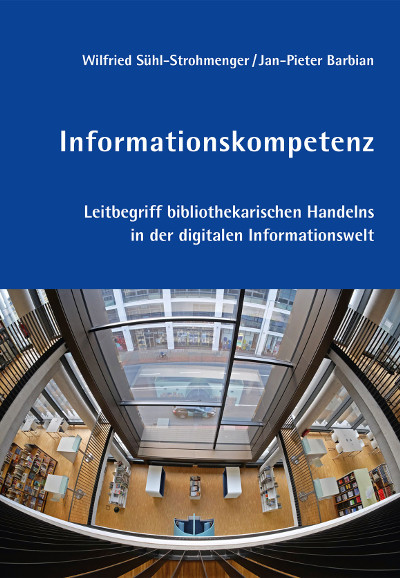
Band 67:
Wilfried Sühl-Strohmenger
Jan-Pieter Barbian
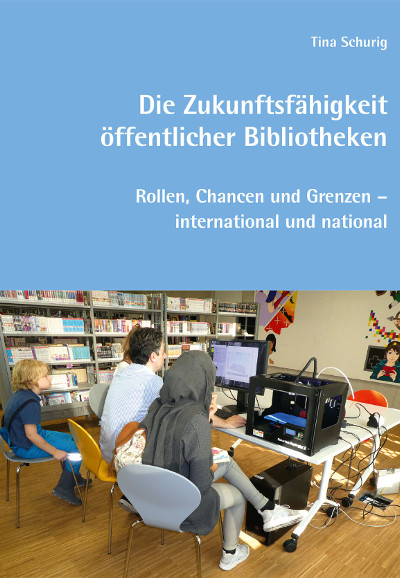
Band 66: Tina Schurig Band 65: Christine Niehoff Band 64: Eva May Band 63: Eva Bunge Band 62: Nathalie Hild Band 61: Martina Haller Band 60: Leonie Flachsmann Band 59: Susanne Göttker Band 58: Georg Ruppelt Band 57: Karin Holste-Flinspach Band 56: Rafael Ball Band 55: Bettina Schröder Band 54: Florian Hagen Band 53: Anthea Zöller Band 52: Ursula Georgy Band 51: Ursula Jaksch Band 50: Hermann Rösch (Hrsg) Band 49: Lisa Maria Geisler Band 48: Raphaela Schneider Band 47: Eike Kleiner
Bestellen Sie jetzt online!
8. Dezember 2025
  WEITERE NEWS
Aktuelles aus
L
ibrary
Essentials

In der Ausgabe 8/2025 (November 2025) lesen Sie u.a.:

  • Gen Z und Gen Alpha: Wie junge Zielgruppen Medien zwischen TikTok und Haltung neu definieren
  • Ethische Verantwortung im Umgang mit biomedizinischen Archiven
  • Open-Research-Plattformen im Praxistest
  • Digitale Technologien im Kulturerbe: Forschungsentwicklung zwischen Datenanalyse und KI-Unterstützung
  • KI-Texte beliebter als Originale
  • Zines als Impuls für soziale Gerechtigkeit in Bibliotheken
  • Ein dezentrales Fundament für Open Science: Warum Forschungsdaten neue Infrastrukturen brauchen
  • Vergessenes Wissen auf Disketten: Cambridge rettet digitale Geschichte
  • Europas Bibliotheken im Visier von Kunstraub
  • Nach dem Aus von Baker & Taylor: US-Bibliotheken suchen neue Buchgroßhändler
u.v.m.
  fachbuchjournal

REALM project releases results from latest tests of coronavirus on leather, summary of research

The REALM project has released results from the latest round of scientific tests to determine how long the SARS-CoV-2 virus that causes COVID-19 can remain on materials found in archives, libraries and museums, along with a summary of published research to help inform these institutions as they reopen to the public.

"Those who handle special collections or vintage books and materials may find the testing from this round of particular interest," said Scott Carey, Chief Information Officer at IMLS and Deputy Director of the Office of Digital and Information Strategy. "The sample tested was an antique leather book cover, which mimics a scenario where standard cleaning methods may be undesirable. The variability of how long the virus lasts on materials reinforces the continued importance of practicing good hygiene, following local health officials' guidance, and making informed, risk-based decisions."

New lab test findings from Battelle show that the infectious virus survived through eight days on both natural leather and synthetic leather fabrics. (See Test 5 results.)

"Battelle's testing provides a real-world approach using substances such as synthetic saliva to determine how long the SARS-CoV-2 virus persists on materials relevant to libraries, archives and museums," said Will Richter, Principal Research Scientist at Battelle and a leader of the research being done for the REALM project. "In the latest round of testing, we used a leather book binding from the 1860s that was held in a library system. We continue to adjust the selected timepoints in an attempt to capture the full decay profile of the virus. We will steadfastly follow the science as we proceed with testing these materials."

The project also made available a compilation of SARS-CoV-2 scientific research published through mid-August 2020, which summarizes current research on how the virus spreads, its survival on materials and surfaces, and the effectiveness of various prevention and decontamination measures. The new research review highlights growing evidence that direct contact and respiratory droplets appear to be the primary modes of spread, and that aerosols may be a contributor to infection.

"The expert review of published research is an essential component of this project," said Lorcan Dempsey, Vice President, OCLC Membership and Research, and Chief Strategist. "This analysis provides important contextual background, showing what we actually know and still don't know about the coronavirus. These reviews, alongside the testing of the virus' persistence on the materials, will continue to be a resource for libraries, archives and museums, helping them plan with confidence as they put in place frameworks to help protect their staffs and communities."

The summary of relevant research also underscores the fact that there remain some critical "known unknowns" about the COVID-19 virus, including how much virus is needed to infect someone, how much virus an infected person sheds, and whether people are getting infected by touching objects and surfaces. (Read the research summary.)

The REopening Archives, Libraries, and Museums (REALM) project is designed to generate scientific information to support the handling of core library, museum, and archival materials as these institutions begin to resume operations and reopen to the public. The project is supported by the Institute of Museum and Library Services (IMLS), the primary source of federal funding for museums and libraries; and OCLC, a nonprofit library technology and research organization; in partnership with Battelle, a not-for-profit global scientific research and development organization. 

Project updates are posted at oc.lc/realm-project as they become available. Those interested can also sign up through the project website to receive timely email updates when new information is released.

www.imls.gov
www.battelle.org
http://www.oclc.org