INNOVATIV
Band 79: Janet Wagner




















 Band 78: Philip Franklin Orr
 Band 77: Carina Dony
 Band 76:
 Linda Freyberg
Sabine Wolf (Hrsg.)
 Band 75: Denise Rudolph
 Band 74: Sophia Paplowski
 Band 73: Carmen Krause
 Band 72:
 Katrin Toetzke
Dirk Wissen
 Band 71: Rahel Zoller
 Band 70: Sabrina Lorenz
 Band 69: Jennifer Hale
 Band 68:
 Linda Schünhoff
Benjamin Flämig
 Band 67:
 Wilfried Sühl-Strohmenger
Jan-Pieter Barbian
 Band 66: Tina Schurig
 Band 65: Christine Niehoff
 Band 64: Eva May
 Band 63: Eva Bunge
 Band 62: Nathalie Hild
 Band 61: Martina Haller
 Band 60:
  Band 59: Susanne Göttker
 Band 58: Georg Ruppelt
 Band 57:
  Band 56: Rafael Ball
 Band 55: Bettina Schröder
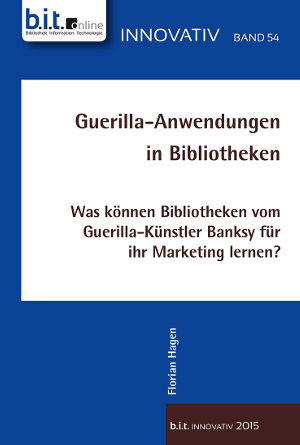
 Band 54: Florian Hagen
 Band 53: Anthea Zöller
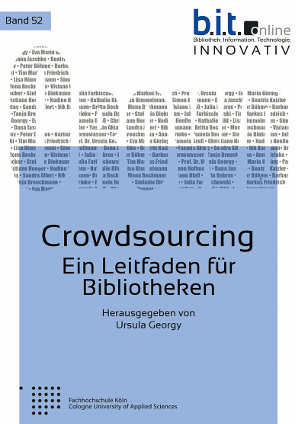
 Band 52: Ursula Georgy
 Band 51: Ursula Jaksch
 Band 50:
  Band 49:
  Band 48:
  Band 47: Eike Kleiner

Bestellen Sie jetzt online!
9. September 2026



 Most referenced publishers and guidelines with generative AI guidelines